Blog

Your blog category

Blog

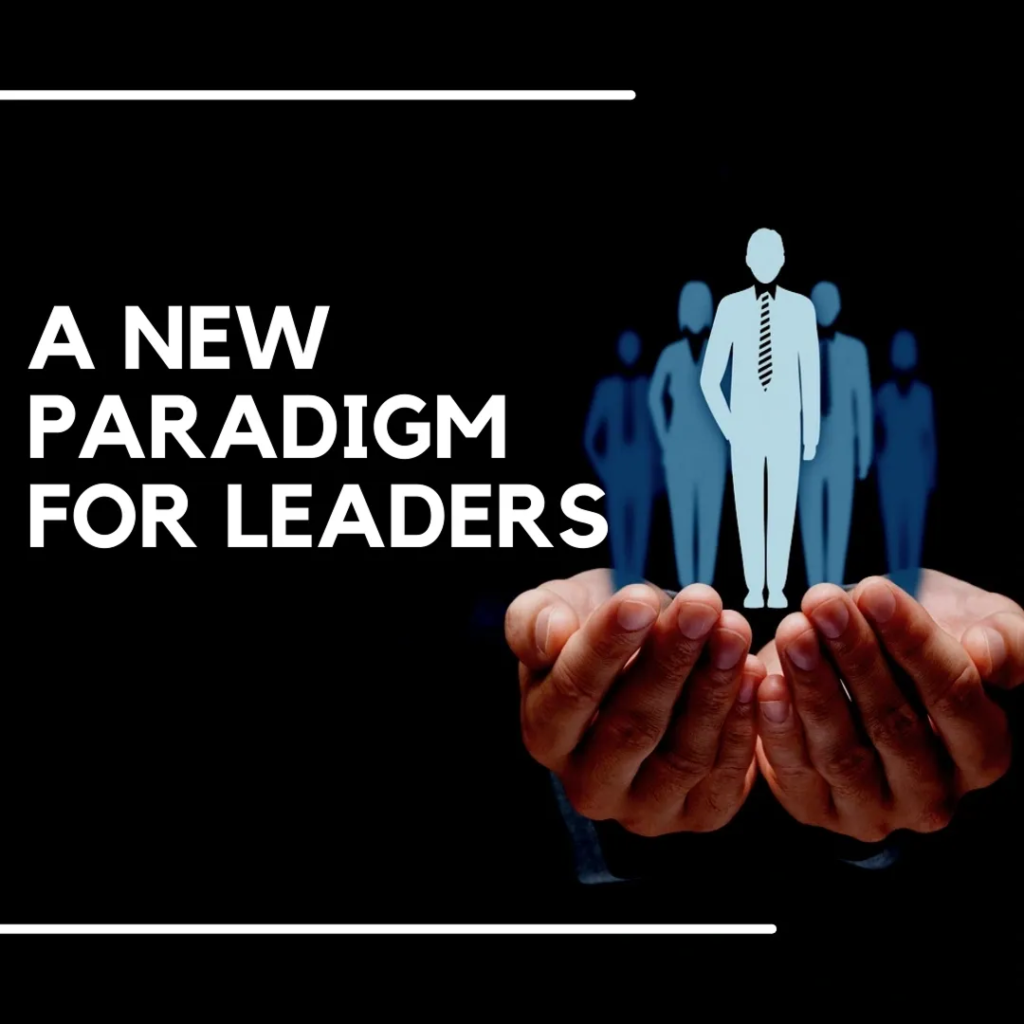
A New Paradigm for Leaders

In the modern workplace, the traditional clock-watching management style is rapidly becoming obsolete. As businesses strive for innovation and efficiency, the focus is shifting towards an outcome-based approach. This change not only respects employees’ professionalism but also fosters a more productive and engaged workforce. This article explores the benefits and challenges of outcome-based management and offers practical strategies for implementing this approach. The Shift from Time-Based to Outcome-Based Management Historically, many organizations relied on a time-based management approach, where employees were judged based on the hours they spent at work. While this method was straightforward, it often failed to capture the true value of an employee’s contributions. Today, more companies are recognizing that a rigid focus on hours worked does not necessarily equate to productivity. Instead, they are embracing an outcome-based approach, where the emphasis is on what employees achieve rather than how long they work. Benefits of Outcome-Based Management Increased Productivity: Employees can work during their most productive hours, leading to higher-quality results. Enhanced Employee Satisfaction: Empowering employees with autonomy fosters a sense of ownership and engagement. Attracting Top Talent: Offering flexibility and trust attracts high-performing individuals who thrive in self-directed environments. Fostering Innovation: With fewer constraints, employees are more likely to think creatively and propose innovative solutions. Improved Work-Life Balance: Employees can better manage personal and professional responsibilities, reducing burnout. Challenges and Considerations While outcome-based management has many advantages, it also presents certain challenges: Clear Objectives: Organizations must establish clear and measurable objectives to align efforts and evaluate performance effectively. Effective Communication: Open and regular communication is vital for transparency and feedback. Trust and Accountability: Managers must trust employees to deliver results, while employees must hold themselves accountable for their work. Training and Development: Supporting employees through training can facilitate the transition to this new way of working. Case Study: Google’s Flexible Work Environment Google is renowned for its innovative work culture, which emphasizes outcomes over hours worked. Employees are encouraged to work flexibly, and the company measures success based on results. This approach has contributed to Google’s reputation as a leader in innovation and employee satisfaction. Example: Remote Work Success During the Pandemic During the COVID-19 pandemic, many companies were forced to adopt remote work. Businesses that focused on outcomes rather than clock-watching found that employees remained productive and engaged, even when working from home. This period demonstrated the viability of outcome-based management in various industries. Practical Tips or Recommendations: Set Clear Goals: Define specific, measurable, achievable, relevant, and time-bound (SMART) goals for employees. Foster Open Communication: Encourage regular check-ins and feedback to ensure alignment and address challenges. Provide Support and Resources: Equip employees with the tools and resources they need to succeed in an outcome-focused environment. Cultivate a Culture of Trust: Demonstrate trust in employees’ abilities and judgment, empowering them to take ownership of their work. Evaluate and Adapt: Continuously assess the effectiveness of the outcome-based approach and make adjustments as needed. The transition to outcome-based management reflects the evolving nature of work in today’s digital age. By focusing on results rather than hours, organizations can unlock greater potential in their workforce, drive innovation, and create a more dynamic and satisfying work environment. While challenges exist, the benefits far outweigh the drawbacks, making this approach a valuable strategy for modern businesses. Are you ready to transform your organization by embracing outcome-based management? Start today by reevaluating your management practices and empowering your team to achieve their best results. Author Bio: Rahul Revne is a business consultant and writer specializing in leadership strategies and organizational development. With a passion for innovative management practices, Rahul Revne helps businesses unlock their full potential through employee empowerment and outcome-oriented leadership. References: Buckingham, M., & Goodall, A. (2019). The Feedback Fallacy. Harvard Business Review. Grant, A. (2013). Give and Take: A Revolutionary Approach to Success. Viking. Peters, T. (1987). Thriving on Chaos: Handbook for a Management Revolution. HarperCollins.

Blog

Navigating the Fog: Building Collaboration in Uncertain Times

Convis: The Ultimate Consulting WordPress Theme. In today’s digital age, having a professional and visually appealing website is crucial for any business. For those in the consulting industry, Convis – Consulting WordPress Theme is the perfect solution. With its sleek design and powerful features, Convis offers everything you need to create a stunning website that truly represents your consulting business. One of the standout features of Convis is its extensive customization options. Whether you’re a tech-savvy professional or a beginner in website design, Convis makes it easy to personalize your website to match your brand. With a user-friendly interface and intuitive controls, you can effortlessly modify colors, fonts, layouts, and more. Say goodbye to generic templates and hello to a unique and tailored website that reflects your consulting expertise. Convis takes advantage of the popular Elementor page builder, providing you with even more flexibility and creativity. With Elementor, you can drag and drop elements to create your desired layouts, add stunning animations, and build interactive features without any coding knowledge. It’s like having a professional web designer at your fingertips, enabling you to showcase your consulting services and captivate your audience with ease. In the corporate world, it’s common for leaders to feel the pressure to exude unwavering confidence and infallibility. However, this façade can harm both the leader and the company. If you’re concealing your uncertainties, you’re not only being dishonest with your team but also impeding your company’s progress. Unlocking the Power of Transparency The better approach is to be honest and transparent about your uncertainties. Acknowledging uncertainty is not a sign of weakness; rather, it’s a demonstration of self-awareness and a foundation for growth. When you openly address your doubts and questions, several positive outcomes emerge. 1. Stronger Team Buy-In: Your team members appreciate honesty. When you admit to uncertainty, it humanises you and fosters trust. In turn, this trust leads to stronger buy-in from your team. They understand that you’re not just a leader who issues commands but a leader who values their input and perspectives. 2. Collaborative Solutions: Openness about your uncertainties invites collaboration. Your team can contribute their insights and ideas, transforming potential obstacles into opportunities. Collective brainstorming often results in innovative solutions that might not have surfaced otherwise. 3. Turning Possibilities into Reality: Addressing uncertainties creates a climate where challenges are tackled head-on. Your team is more likely to embrace change, adapt to new circumstances, and work collectively toward turning possibilities into reality. 4. Empowering Your Team: When you give voice to your uncertainties, you encourage your team to become proactive problem solvers. They become thex “Whos” to your “Hows,” taking on responsibilities and contributing to achieving your shared goals. Unlock Your Team’s Full Potential In essence, embracing and vocalising your uncertainties can make your role as a leader easier. It strengthens your team’s bond, enhances their commitment, and fosters an environment where growth and progress flourish. So, the question to ponder is: What uncertainties are you concealing? By openly acknowledging and addressing these uncertainties, you can pave the way for a more resilient and collaborative team, better equipped to face the challenges of today’s dynamic business landscape. Unlock Your Team’s Full Potential with www.rahulrevne.com Ready to take your leadership and team collaboration to the next level? Visit the Website www.rahulrevne.com to explore valuable resources, expert insights, and practical strategies for fostering a culture of transparency and unlocking your team’s full potential. Don’t miss the opportunity to transform uncertainty into a catalyst for success.

Blog

10 Tips to Stop Saying “Sorry”

In the fast-paced world of business, effective communication is crucial. While being polite and considerate is important, over-apologizing can sometimes undermine your authority and confidence. This article explores ten strategies to stop saying “sorry” unnecessarily, helping you to communicate more effectively and assertively in the workplace. Why You Should Stop Over-Apologizing Apologizing is a courteous and often necessary part of professional interactions. However, over-apologizing can make you appear less confident and competent. It can also dilute the impact of your apologies when they are truly warranted. Learning to communicate without over-apologizing can enhance your professional image and foster more productive interactions. 10 Tips to Stop Saying “Sorry” 1. Express Gratitude Tip: Instead of saying sorry for a late response, show gratitude. Example: “Thanks for your patience.” Expressing gratitude rather than apologizing can positively reframe the situation. It shows appreciation and acknowledges the other person’s understanding. 2. Offer Solutions Tip: Instead of apologizing for lacking information, offer to find out and respond. Example: “Let me get back to you.” This approach demonstrates proactivity and a commitment to providing accurate information, enhancing your credibility. 3. Be Assertive Tip: Rather than apologizing for a differing opinion, assert yourself by explaining your perspective. Example: “I respectfully disagree; here’s why…” Assertive communication can foster healthy discussions and respect for diverse viewpoints. 4. Set Boundaries Tip: Instead of apologizing for declining tasks, set boundaries by stating your commitments. Example: “I have other commitments at the moment…” Setting clear boundaries helps manage expectations and demonstrates time management skills. 5. Provide Explanations Tip: Instead of apologizing for a delay, clarify the situation. Example: “The delay was due to…” Providing a clear explanation can help others understand the situation without perceiving it as a fault. 6. Offer Assistance Tip: Instead of apologizing for not helping, offer assistance in another way. Example: “I can connect you with someone who can help.” This shows willingness to support and ensures the other person’s needs are met effectively. 7. Seek Feedback Tip: Rather than apologizing for a mistake, seek feedback to improve. Example: “I appreciate your input on how I can improve.” Seeking feedback demonstrates a growth mindset and a commitment to personal and professional development. 8. Empathize More Tip: Instead of apologizing for an inconvenience, show empathy. Example: “I understand your frustration.” Empathy validates the other person’s feelings and helps build stronger professional relationships. 9. Communicate Clearly Tip: Instead of apologizing for miscommunication, clarify your message. Example: “Let me explain to avoid confusion…” Clear communication prevents misunderstandings and ensures that your message is accurately conveyed. 10. Be Proactive Tip: Instead of apologizing reactively, take proactive steps. Example: “I’ll prevent this in the future.” Proactive measures demonstrate foresight and a commitment to continuous improvement. Practical Tips for Implementing These Strategies Self-Reflection: Regularly reflect on your communication patterns and identify situations where you tend to over-apologize. Practice Gratitude: Make a habit of expressing gratitude in your daily interactions. Role-Playing: Practice these strategies in role-playing scenarios to build confidence. Seek Feedback: Ask trusted colleagues for feedback on your communication style. Professional Development: Attend workshops or read books on assertive communication. Over-apologizing can inadvertently weaken your professional presence. By adopting these ten tips, you can communicate more confidently and effectively, enhancing your professional relationships and career prospects. Remember, assertive and clear communication is key to success in any workplace. Start implementing these strategies today and notice the positive impact on your workplace interactions. For more valuable content on effective communication, follow Rahul Revne, Business Consultant, Trainer, and Author. Author Bio Rahul Revne is a seasoned business consultant, trainer, and author with extensive experience in helping professionals enhance their communication skills and achieve their career goals. He is dedicated to providing practical strategies for personal and professional growth.

Implementation
Blog

Leading with Curiosity: Why Great Leaders Ask More Questions

Convis: The Ultimate Consulting WordPress Theme. In today’s digital age, having a professional and visually appealing website is crucial for any business. For those in the consulting industry, Convis – Consulting WordPress Theme is the perfect solution. With its sleek design and powerful features, Convis offers everything you need to create a stunning website that truly represents your consulting business. One of the standout features of Convis is its extensive customization options. Whether you’re a tech-savvy professional or a beginner in website design, Convis makes it easy to personalize your website to match your brand. With a user-friendly interface and intuitive controls, you can effortlessly modify colors, fonts, layouts, and more. Say goodbye to generic templates and hello to a unique and tailored website that reflects your consulting expertise. Convis takes advantage of the popular Elementor page builder, providing you with even more flexibility and creativity. With Elementor, you can drag and drop elements to create your desired layouts, add stunning animations, and build interactive features without any coding knowledge. It’s like having a professional web designer at your fingertips, enabling you to showcase your consulting services and captivate your audience with ease. Good leadership is not just about giving orders or making decisions, but also about asking the right questions. Asking good questions can help leaders gain valuable insights, encourage collaboration and innovation, and build stronger relationships with their teams. Here are some facts figures and examples that highlight why good leadership is about asking good questions. Encourages Collaboration and Innovation Asking good questions can encourage collaboration and innovation by fostering a culture of curiosity and inquiry. According to a study by Harvard Business Review, leaders who ask more questions are perceived as more effective and are more likely to have teams that are creative and innovative. For example, in the late 1990s, Steve Jobs asked a series of questions that led to the creation of the iPod, which revolutionized the music industry. He asked questions like “Can you imagine carrying your entire music library in your pocket?” and “What if we could download songs directly onto a device?” These questions led to the development of the iPod, which went on to sell over 400 million units. Helps Build Stronger Relationships Asking good questions can also help leaders build stronger relationships with their teams by demonstrating interest and empathy. According to a survey by Qualtrics, employees who feel that their leaders listen to them are more engaged, productive, and likely to stay with the company. For example, John Legere, former CEO of T-Mobile, was known for his ability to connect with his employees through the use of questions. He would often ask questions like “What’s on your mind?” or “What can we do to make things better?” These questions helped him build stronger relationships with his employees, which in turn contributed to the company’s success. Improves Decision-Making Asking good questions can also improve decision-making by ensuring that leaders have all the information they need to make informed decisions. According to a study by McKinsey, leaders who ask good questions are more likely to make better decisions and avoid costly mistakes. For example, Jeff Bezos, CEO of Amazon, is known for his ability to ask probing questions that challenge assumptions and encourage creative thinking. He often asks questions like “What are the risks?” or “Why haven’t we tried this before?” These questions help him gather all the necessary information and perspectives before making important decisions. Drives Continuous Improvement Asking good questions can also drive continuous improvement by encouraging reflection and learning. According to a study by Harvard Business Review, leaders who ask reflective questions are more likely to learn from their experiences and improve their performance over time. For example, in his book “The Lean Startup,” Eric Ries encourages entrepreneurs to ask questions like “What did we learn?” or “What should we do differently next time?” These questions help entrepreneurs reflect on their experiences and make improvements to their products or services. In conclusion, good leadership is about asking good questions. Asking good questions can encourage collaboration and innovation, help build stronger relationships, improve decision-making, and drive continuous improvement. By asking good questions, leaders can gain valuable insights and contribute to the success of their organizations.

Blog

Leadership Mastery Formula

Convis: The Ultimate Consulting WordPress Theme. In today’s digital age, having a professional and visually appealing website is crucial for any business. For those in the consulting industry, Convis – Consulting WordPress Theme is the perfect solution. With its sleek design and powerful features, Convis offers everything you need to create a stunning website that truly represents your consulting business. One of the standout features of Convis is its extensive customization options. Whether you’re a tech-savvy professional or a beginner in website design, Convis makes it easy to personalize your website to match your brand. With a user-friendly interface and intuitive controls, you can effortlessly modify colors, fonts, layouts, and more. Say goodbye to generic templates and hello to a unique and tailored website that reflects your consulting expertise. Convis takes advantage of the popular Elementor page builder, providing you with even more flexibility and creativity. With Elementor, you can drag and drop elements to create your desired layouts, add stunning animations, and build interactive features without any coding knowledge. It’s like having a professional web designer at your fingertips, enabling you to showcase your consulting services and captivate your audience with ease. As a management consultant with extensive experience advising numerous businesses, I have seen firsthand the profound impact effective leadership can have on an organization. One framework that encapsulates the essence of exceptional leadership is Eric Partaker’s Leadership Mastery Formula. This formula highlights five critical components necessary for world-class leadership: Insight, Inspiration, Integrity, Influence, and Initiative. Let’s explore these elements in detail and understand their significance in fostering effective leadership. Insight: Guiding Decisions and Problem-Solving Insight is the ability to discern and understand the key drivers of success within your business. It involves a deep understanding of market trends, customer needs, and internal capabilities. By applying the 80/20 principle, leaders can focus on the critical few activities that yield the most significant results. Developing Insight: Analyze market data and trends regularly. Stay informed about industry developments and innovations. Encourage a culture of continuous learning and curiosity within your organization. Inspiration: Motivating with Passion and Purpose Inspiration is about connecting with your team on an emotional level, igniting their passion and aligning them with the organization’s vision and purpose. An inspired team is more engaged, motivated, and productive. Cultivating Inspiration: Clearly articulate the “why” behind your vision and goals. Share stories and examples that illustrate the impact of your work. Recognize and celebrate individual and team achievements regularly. Integrity: Building Authentic Trust and Credibility Integrity is the foundation of trust and credibility. Leaders who demonstrate integrity do what they say they will do, own up to their mistakes, and lead by example. This builds a culture of trust and transparency. Practicing Integrity: Consistently follow through on commitments. Be honest and transparent in all communications. Admit and learn from mistakes, showing accountability and humility. Influence: Shaping Actions and Outcomes Influence is the ability to shape the actions and outcomes of others. Effective leaders use their influence to guide their teams towards achieving organizational goals, fostering collaboration, and driving results. Enhancing Influence: Listen actively to understand different perspectives. Find common ground and build rapport before making requests. Use persuasive communication techniques to convey your vision and goals. Initiative: Turning Vision into Reality Initiative is the drive to take action and make things happen. Leaders with initiative are proactive, constantly moving forward and translating vision into tangible results. They don’t wait for opportunities; they create them. Taking Initiative: Set clear, actionable goals and prioritize tasks. Encourage a culture of proactive problem-solving and innovation. Focus on the next actionable step to maintain momentum and progress. The Consequences of Missing Components The Leadership Mastery Formula also highlights the negative outcomes when any of these components are missing: Without Insight: Ignorance prevails, leading to poor decision-making. Without Inspiration: Teams become indifferent and disengaged. Without Integrity: Distrust undermines credibility and relationships. Without Influence: Irrelevance sets in, and leaders fail to make an impact. Without Initiative: Inaction leads to stagnation and missed opportunities. The journey to becoming a world-class leader involves continuous learning, adaptation, and growth in each of these critical areas. By embracing and developing Insight, Inspiration, Integrity, Influence, and Initiative, you can lead your organization to new heights of success. As a management consultant, I encourage you to reflect on these components and identify areas for improvement. Start applying this formula today, and witness the transformative impact on your leadership effectiveness and organizational success. Your team and company will thank you! Feel free to share this article and help others in your network discover the path to leadership mastery.

Scroll to Top