Author name: lakod

Case Study

Leadership in the Infinite Game: Nurturing Sustainable Success

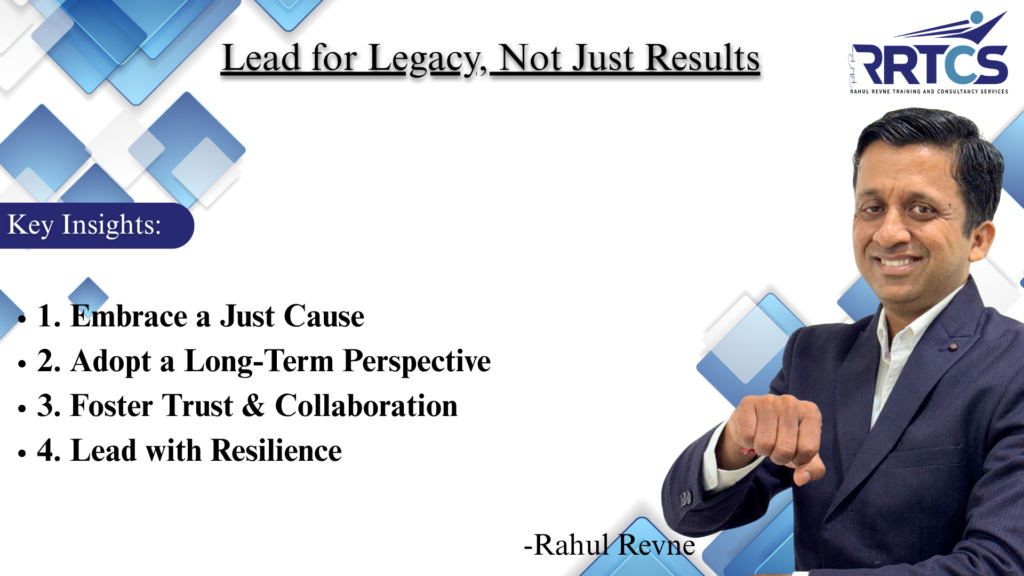
How Visionary Leaders Shape the Future Beyond the Finish Line In today’s rapidly changing world, leadership is no longer about winning—because in the long run, there’s no such thing as a final victory. Business isn’t a sprint; it’s an infinite game. Popularized by Simon Sinek, the infinite game mindset challenges traditional models of leadership driven by quarterly results and short-term wins. Instead, it asks leaders to focus on enduring purpose, long-term impact, and collective progress. In this blog, we explore five key traits of infinite game leadership—brought to life through the journeys of visionary leaders like Ratan Tata, Satya Nadella, Indra Nooyi, Sundar Pichai, and Kiran Mazumdar-Shaw. 🔹 1. Embrace a Just Cause At the heart of infinite leadership lies a Just Cause—a bold, long-term mission that inspires action and gives meaning beyond profits. Ratan Tata, former chairman of Tata Group, exemplified this through the company’s purpose: “To improve the quality of life for the communities we serve.” From healthcare and education to clean energy, Tata’s initiatives were rooted in uplifting society—earning unmatched trust and loyalty from stakeholders. 🔹 2. Adopt a Long-Term Perspective Infinite-minded leaders resist the temptation of short-term wins and prioritize sustainable growth. Satya Nadella, CEO of Microsoft, shifted the company’s culture from “know-it-all” to “learn-it-all.” By focusing on empathy, innovation, and customer-centric success, he transformed Microsoft into a powerhouse of cloud, AI, and digital transformation—built for the long haul. 🔹 3. Foster a Culture of Trust & Collaboration Trust fuels innovation. Infinite leaders cultivate environments where people feel safe to share, collaborate, and grow. Indra Nooyi, former CEO of PepsiCo, championed a culture grounded in diversity, inclusion, and empathy. She opened the door for diverse voices, empowered employees to lead, and built a culture of belonging—laying the groundwork for long-term innovation and engagement. 🔹 4. Lead with Resilience and Adaptability Change is constant. Infinite leaders evolve with it. Sundar Pichai, CEO of Alphabet (Google’s parent company), has steered the tech giant through waves of disruption. His leadership is marked by agility, continuous learning, and a future-ready mindset—ensuring Google remains at the forefront of global innovation. 🔹 5. Develop & Empower Future Leaders Sustainability in leadership is about building others up. Kiran Mazumdar-Shaw, founder of Biocon, has made leadership development a strategic priority. Through mentorship, talent investment, and a culture of learning, she’s ensured Biocon’s continued growth as a globally recognized biopharmaceutical company. Infinite leadership is not about beating the competition—it’s about playing with purpose, resilience, and vision. Leaders like Ratan Tata, Satya Nadella, Indra Nooyi, Sundar Pichai, and Kiran Mazumdar-Shaw remind us that true success lies in serving a cause, nurturing people, and building legacies that outlast any market cycle. By embracing the infinite game, today’s leaders can create organizations that endure, evolve, and make the world better—one decision at a time.
Case Study

The Golden Circle Theory: Discovering Your Brand’s Purpose, Process & Product

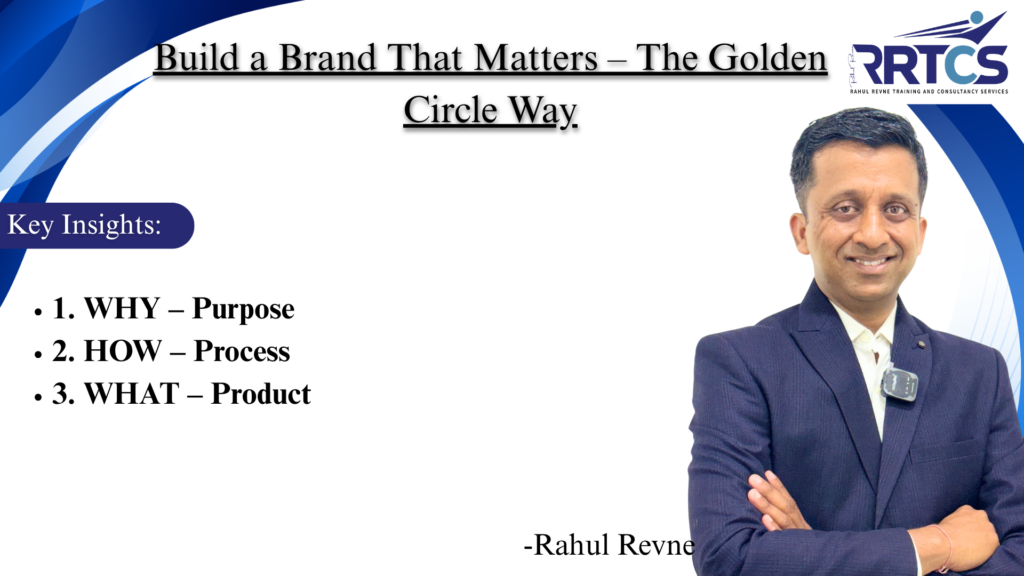
Unveiling Indian Business Success Stories In today’s hyper-competitive world, brands that lead with purpose stand out—not just because of what they sell, but because of what they believe. Simon Sinek’s Golden Circle Theory offers a powerful framework for businesses to define their identity and communicate it effectively. It starts by asking three fundamental questions: In this blog, we dive into how iconic Indian brands have successfully applied this model—demonstrating the strength of aligning purpose, process, and product. Start With Why: Purpose That Inspires At the core of every impactful brand lies a compelling “Why.” It’s the mission that drives decisions, culture, and customer loyalty. Tata Group exemplifies this beautifully. Their purpose—“Improving the quality of life for the communities we serve”—goes beyond business. From education and healthcare to sustainability and innovation, Tata’s initiatives (such as Tata Trusts) reflect a deep commitment to social impact. This sense of purpose has not only earned them trust but also positioned them as one of India’s most respected conglomerates. Define the How: Processes That Differentiate “How” a brand operates speaks to its integrity and innovation. It’s about the values and systems that make your business unique. Take Amul, India’s beloved dairy cooperative. Their decentralized model, rooted in empowering farmers, is a masterclass in inclusive growth. By enabling milk producers to participate directly in the value chain, Amul ensures fair pricing, consistent quality, and sustainability. Their philosophy of “From farmer to consumer” has turned them into a household name—and a globally admired cooperative. Deliver the What: Products That Matter Finally, the “What” is about delivering products or services that solve real problems—and do it well. Mahindra & Mahindra is a shining example. Known for their rugged, reliable vehicles like the Scorpio and Thar, they’ve built a product portfolio that meets the needs of India’s varied landscapes and lifestyles. Through continuous innovation and a customer-centric mindset, Mahindra delivers tangible value, making them a trusted name in mobility and engineering. The Golden Circle isn’t just a theory—it’s a mindset that empowers brands to lead with authenticity. By defining Why they exist, refining How they work, and delivering What their customers truly need, businesses can stand apart in a crowded marketplace. Indian companies like Tata, Amul, and Mahindra show us that success comes not just from selling, but from serving—with purpose, innovation, and impact. For brands aiming to grow with meaning, the Golden Circle offers a timeless blueprint.

Blog

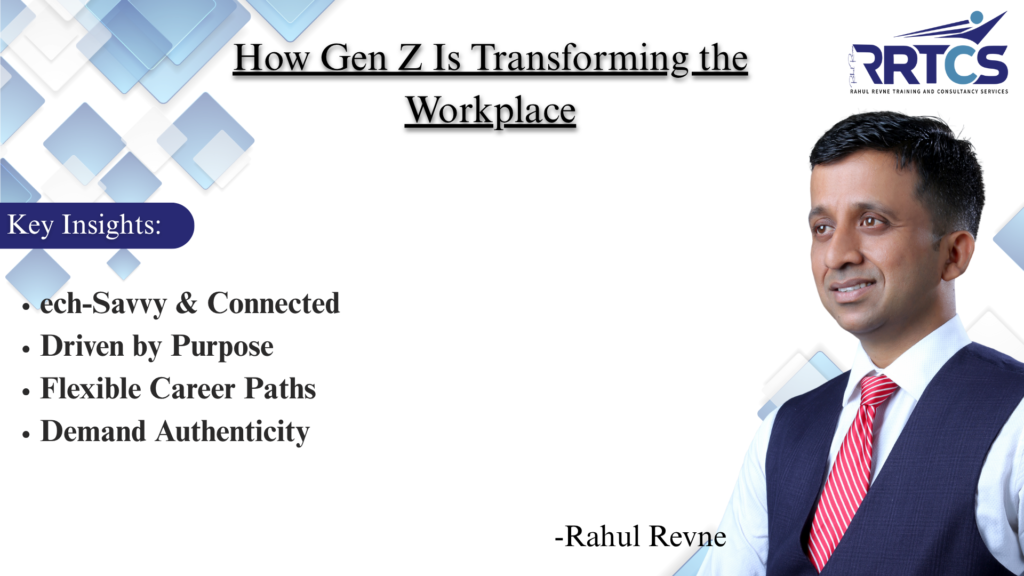
How Gen Z Is Reshaping the Future of Work

Inspired by the insights of Simon Sinek The arrival of Gen Z in the workplace marks a significant shift in how we define success, collaboration, and purpose. This generation brings with it fresh expectations and a bold appetite for change. Inspired by the insights of thought leader Simon Sinek, this article explores how Gen Z is revolutionizing the professional world—from rethinking career paths to demanding authenticity and innovation. 💡 Embracing Technology & Seamless Collaboration Gen Z are digital natives. Their comfort with technology enables them to master complex tools quickly and collaborate effortlessly across geographies. Whether it’s cloud-based project management, Slack channels, or Zoom brainstorms, Gen Z seamlessly integrates tech to streamline communication and foster team productivity. 🌍 The Pursuit of Purpose For Gen Z, work isn’t just about earning a paycheck—it’s about making a difference. They’re drawn to organizations with strong missions, environmental awareness, and clear social impact. Companies that prioritize purpose over profit find a more engaged, values-driven workforce in Gen Z employees. 🔄 Fluid Career Paths & Lifelong Learning Gone are the days of the linear career ladder. Gen Z embraces nonlinear, flexible career journeys. They’re eager to pivot, upskill, and explore cross-functional roles. A marketer who learns to code? A finance pro exploring UX design? For Gen Z, skill stacking and personal growth outweigh rigid job titles. 🤝 Authenticity & Transparent Leadership Gen Z craves honesty and transparency from leadership. They challenge traditional hierarchies and value inclusion, feedback, and real conversation. They want to work in environments where their voices matter and authenticity is the norm—not the exception. 🚀 Entrepreneurial Mindset & Innovation Creativity and risk-taking come naturally to Gen Z. From side hustles to startups, they’re wired to disrupt the norm. They thrive in environments where innovation is celebrated, and failure is seen as a stepping stone—not a setback. Gen Z is not just entering the workforce—they’re reshaping it. With their tech-savvy mindset, purpose-driven approach, and hunger for growth and innovation, they are redefining what it means to work, lead, and succeed. Organizations that embrace this shift will not only thrive—they’ll future-proof themselves in the process. The workplace is changing. Gen Z is leading the way. Are you ready?

Blog

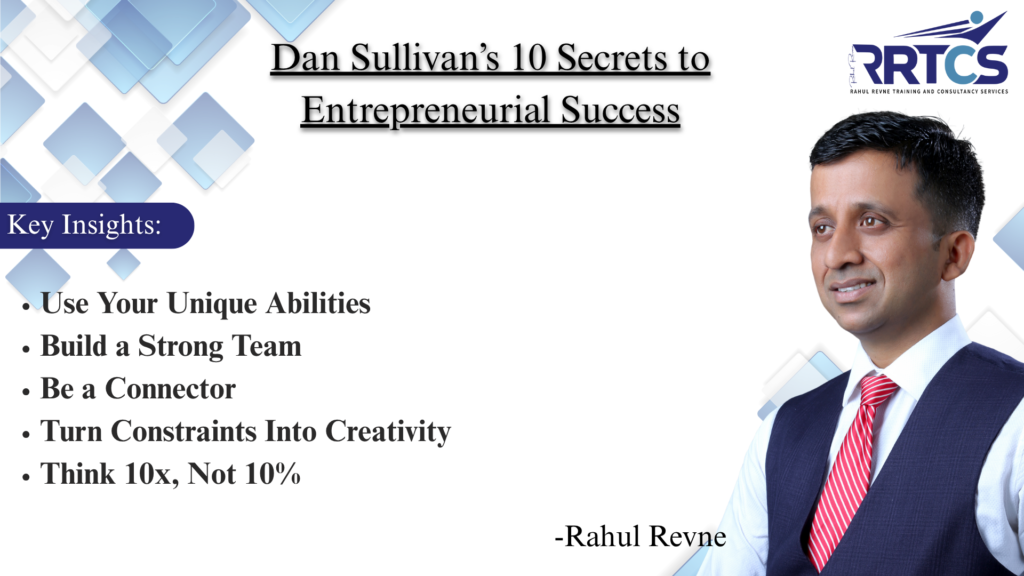
Dan Sullivan’s Best Career Advice: 10 Secrets to Entrepreneurial Success

In today’s fast-paced, ever-evolving business landscape, being a successful entrepreneur demands more than just hard work. It requires a sharp mindset, strategic thinking, and a clear understanding of where your strengths lie. Dan Sullivan—founder of Strategic Coach and a globally respected entrepreneur—has spent decades mentoring high-performing business leaders. His career advice offers practical, actionable insights for anyone looking to elevate their entrepreneurial journey. Below are ten of Dan Sullivan’s most powerful success principles, paired with real-world examples of how top entrepreneurs have embodied these lessons. 1. Focus on Your Unique Abilities The foundation of success begins with identifying your “zone of genius”—the skills and talents that come naturally to you. Delegate everything else. Example: Steve Jobs concentrated on product vision and design at Apple while delegating operations and logistics to trusted team members. This focus helped shape Apple’s iconic product identity. 2. Surround Yourself with Exceptional People No great entrepreneur succeeds alone. Build a team of individuals whose strengths complement your own and who believe in your vision. Example: Richard Branson attributes much of Virgin Group’s success to the exceptional people he surrounds himself with—people who can execute big ideas and turn them into reality. 3. Be a Connector Successful entrepreneurs are often those who bring people together to create new opportunities. Example: Adam Grant, organizational psychologist and best-selling author, has built a network by connecting individuals across industries, sparking collaborations that lead to innovation. 4. Embrace the Power of Constraints Rather than viewing limitations as setbacks, use them to fuel creativity and innovation. Example: When Snapchat started gaining traction, Instagram embraced the challenge by doubling down on visual storytelling—leading to the successful launch of Stories and IGTV. 5. Aim for 10x, Not 10% Incremental growth is fine—but transformational growth changes industries. Think bigger. Example: Elon Musk didn’t just want to build electric cars—he aimed to redefine the future of transportation and space travel. That bold 10x thinking propelled Tesla and SpaceX to global prominence. 6. Continuously Innovate and Iterate Innovation is not a one-time event. Success comes from consistently improving and evolving. Example: Jeff Bezos transformed Amazon from an online bookstore to a global tech powerhouse by continually testing, iterating, and expanding the business model. 7. Communicate with Clarity A clear message is a powerful one. Great entrepreneurs know how to articulate value and vision. Example: Sara Blakely built the Spanx brand through clear, relatable messaging that resonated with everyday consumers, turning a niche product into a global phenomenon. 8. Develop a Long-Term Vision A strong long-term vision serves as a compass for decision-making and strategy. Example: Google’s founders, Larry Page and Sergey Brin, envisioned “organizing the world’s information.” That guiding principle has driven innovation across all of Google’s services and products. 9. Embrace Failure as a Learning Tool Failure is not the opposite of success—it’s a vital part of the process. Example: Oprah Winfrey faced early setbacks in her career, including being told she was “unfit for TV.” She turned those failures into fuel, building one of the most influential media empires in the world. 10. Stay Committed to Personal Growth Great entrepreneurs never stop learning. Continuous personal development is a non-negotiable. Example: Warren Buffett, despite decades of success, still spends hours reading and learning each day. His commitment to growth has helped him stay ahead of market trends for decades. Dan Sullivan’s advice provides a powerful framework for entrepreneurs who want to grow not just their businesses, but themselves. By focusing on your unique abilities, nurturing meaningful relationships, embracing constraints, and aiming for bold goals, you can navigate entrepreneurship with confidence and clarity. Success doesn’t come from doing more—it comes from doing what matters most. Adopt these ten principles, and you’ll be well on your way to building something truly extraordinary.

Case Study

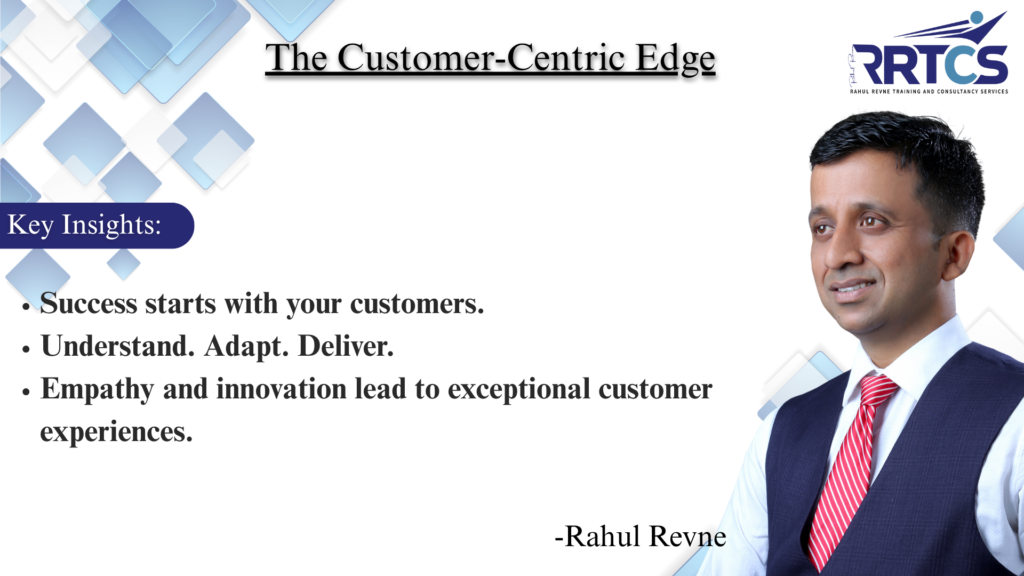
The Customer-Centric Mindset: A Key to Business Success – Insights from Ram Charan

In today’s fast-paced and customer-driven business environment, understanding and prioritizing the needs of your customers is no longer a luxury but a necessity. Ram Charan, the esteemed author of “Execution”, emphasizes the importance of adopting a customer-centric mindset. This blog explores the significance of placing customers at the forefront of your business strategy and provides actionable exercises to help entrepreneurs cultivate a customer-centric approach that drives success. The Customer-Centric Mindset: A Path to Success To truly embrace a customer-centric mindset, entrepreneurs must shift their perspective and make understanding their customers a top priority. Here are practical exercises to implement this approach in your business:  

Case Study

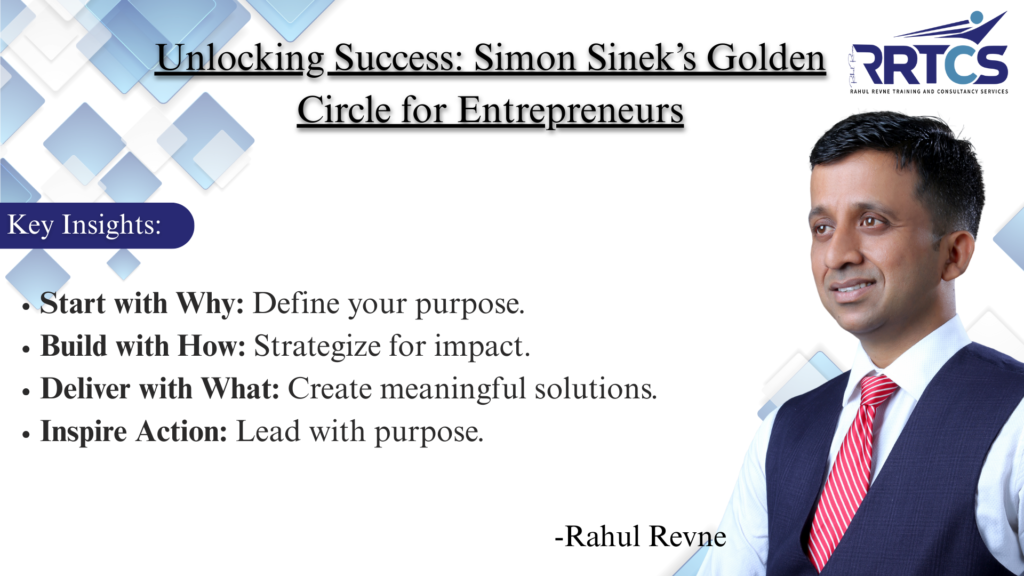
Unlocking Success with Simon Sinek’s Golden Circle: A Path for Entrepreneurs

In the competitive world of entrepreneurship, standing out and achieving lasting success can feel like a monumental challenge. However, Simon Sinek, the renowned author and motivational speaker, has introduced a powerful concept—the Golden Circle—to help entrepreneurs build purpose-driven businesses that inspire and succeed. By embracing this framework, entrepreneurs can uncover their “why,” align their actions with their purpose, and create meaningful impacts in their ventures. Let’s explore the Golden Circle and how it can be a game-changer for entrepreneurs. What Is the Golden Circle? The Golden Circle revolves around three fundamental questions: Why, How, and What. These questions are represented as concentric circles, with: Most businesses focus on the “What”—the tangible outcomes. Sinek argues that exceptional success lies in starting with the “Why.” Breaking Down the Golden Circle for Entrepreneurs 1. Start with Why The “Why” represents your purpose, cause, or belief. It’s the reason your business exists beyond profits. 2. Define How The “How” translates purpose into action through strategies and processes that differentiate your business. 3. Execute the What The “What” is the end result—your products or services. When guided by the “Why” and “How,” your “What” resonates more deeply with customers. Practical Steps to Apply the Golden Circle The Power of Purpose-Driven Business By embracing the Golden Circle, entrepreneurs can create businesses that are more than transactional—they become impactful, inspiring, and enduring. Customers are drawn to brands with a clear purpose, fostering loyalty and trust. Simon Sinek’s Golden Circle offers a transformative roadmap for entrepreneurs to unlock their full potential. By starting with the “Why” and letting it guide the “How” and “What,” you can create a purpose-driven business that inspires action, builds trust, and makes a lasting impact. Take the leap—define your “Why” today and embark on a path of entrepreneurial success that resonates with your audience and fulfills your vision.  

Blog

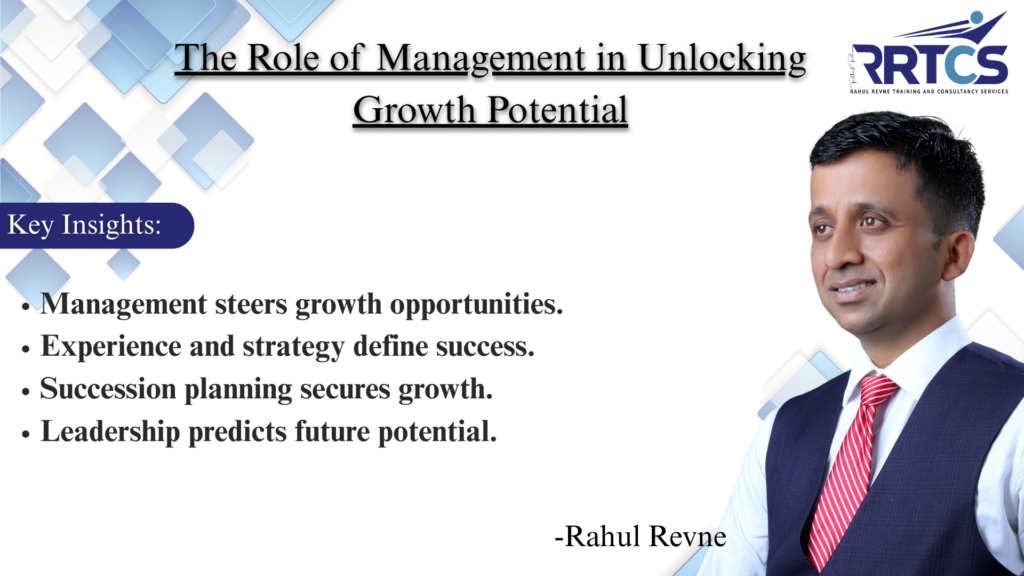
The Critical Role of Management in Evaluating a Company’s Growth Potential

In the complex and dynamic world of business, one question often dominates the minds of investors, analysts, and stakeholders: What determines a company’s growth potential? While several factors contribute, the quality of a company’s management team stands out as a cornerstone of long-term success. Why Management Matters Management is the driving force behind a company’s ability to navigate challenges, seize opportunities, and achieve sustainable growth. A strong leadership team doesn’t just direct day-to-day operations; it shapes the company’s vision, culture, and trajectory. Effective management facilitates: Key Indicators of Management Quality When assessing a company’s growth potential, investors and analysts often focus on several critical aspects of its leadership: Succession Planning and Talent Development The strength of a company’s management extends beyond its current team. Succession planning and talent development are vital to ensuring continuity and long-term growth. Companies that nurture leadership at all levels are better equipped to adapt to future challenges and maintain their competitive edge. The Investor’s Perspective For investors, assessing management quality is not just a checkbox—it’s a priority. Understanding the leadership’s ability to inspire, innovate, and execute provides valuable insights into the company’s potential for sustained success. Management is undeniably a critical determinant of a company’s growth potential. A competent and visionary leadership team can elevate a company’s prospects, while poor management can stifle progress. For those evaluating investment opportunities, a thorough analysis of the leadership’s experience, strategy, and cultural impact is essential. After all, behind every successful company is a management team that drives its growth story forward.

Blog

Exploring the Generational Landscape: Characteristics of Generations X, Y, Z, Alpha, and Beyond

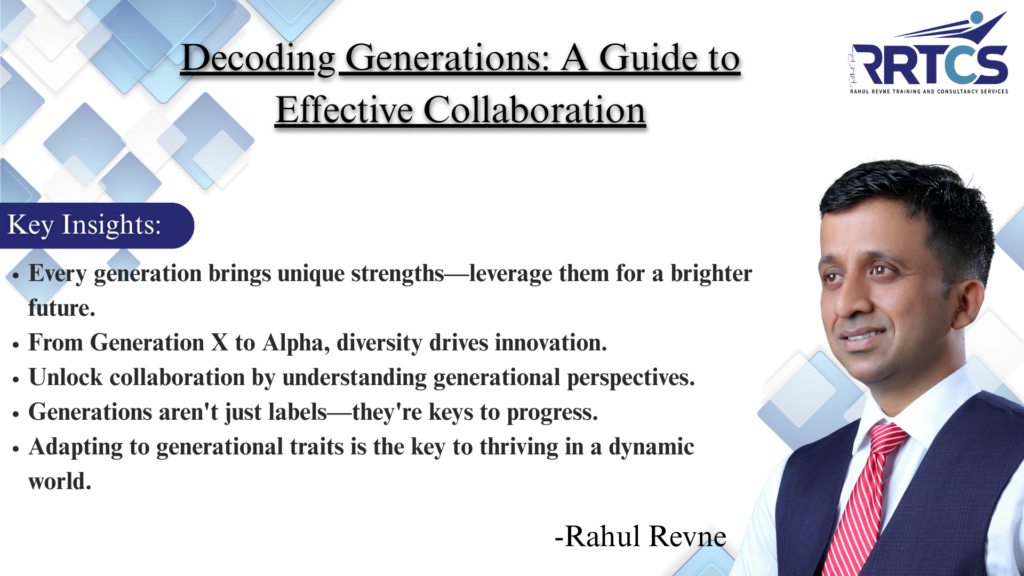
In a world shaped by technological advancements, cultural shifts, and evolving societal norms, understanding generational characteristics is crucial for fostering effective communication, collaboration, and innovation. Each generation brings unique perspectives, values, and traits, influenced by the era in which they were raised. Here’s a breakdown of The general characteristics of Generations X, Y (Millennials), Z, Alpha, and the upcoming Beta: Generation X (Born 1965-1980)The Independent Pioneers Independent and Self-Reliant: Having grown up in an era of dual-income households, Gen Xers learned to be self-sufficient and resourceful. Adaptable and Resilient: This generation witnessed economic and technological transformations, making them quick to adapt to change. Work-Life Balance Advocates: Prioritizing personal and family time, they often seek flexible work arrangements. Skeptical of Authority: Gen X values authenticity and remains cautious of traditional institutions. Generation Y (Millennials) (Born 1981-1996)The Creative Collaborators Tech-Savvy: Millennials grew up during the digital revolution, making them comfortable with technology as an integral part of life. Socially Conscious: Passionate about social responsibility, they align with brands and organizations that reflect their values. Work-Life Integration: They embrace unconventional work hours and leverage technology for productivity. Collaborative and Idealistic: Known for their teamwork, Millennials thrive on creativity and community-oriented solutions. Generation Z (Born 1997-2012)The Digital Entrepreneurs Entrepreneurial and Innovative: Gen Z’s “do-it-yourself” mindset drives their passion for startups and innovation. Diversity and Inclusivity: Growing up in a connected and globalized world, they value equality and social justice. Digital Natives: Having never known a world without the internet, Gen Z relies on technology for work, communication, and entertainment. Authenticity Matters: They prioritize transparency and genuine interactions, both personally and professionally. Generation Alpha (Born 2013-2025)The Creative Visionaries Tech-Savvy from Birth: Often called “Screenagers,” Alphas are immersed in a world dominated by digital devices and technology. Global and Inclusive Outlook: As the most diverse generation, they embrace inclusivity and cultural understanding. Creative and Innovative: Their exposure to advanced tools and resources fosters imagination and a penchant for problem-solving. Future-Oriented: Alphas’ adaptability positions them as forward-thinkers likely to redefine traditional career paths. Generation Beta (Projected: Born 2025-2039)The Emerging Global Citizens Adaptive and Resilient: Generation Beta is expected to grow up during a time of rapid technological advancement and environmental change, fostering resilience and adaptability. Globally Minded: With increasing globalization, they are projected to value diverse cultural perspectives and global collaboration. Digitally Immersed: Building on the digital foundations of previous generations, Generation Beta will likely integrate augmented reality, artificial intelligence, and advanced technologies into daily life. Environmentally Conscious: Growing up in an era of heightened awareness of sustainability, they are expected to champion environmental conservation and eco-friendly innovation. Understanding these generational traits is not about stereotyping but appreciating the diverse experiences and strengths that each group brings to the table. Whether you’re an employer, educator, or marketer, recognizing these characteristics helps you: Tailor Communication: Speak their language by aligning with their values and preferences. Foster Collaboration: Bridge generational gaps to create inclusive and harmonious environments. Innovate Strategically: Leverage the strengths of each generation to drive growth and innovation. The world is evolving rapidly, and each generation contributes uniquely to shaping our collective future. By embracing these differences, we can build a more inclusive, collaborative, and dynamic society.  

Blog

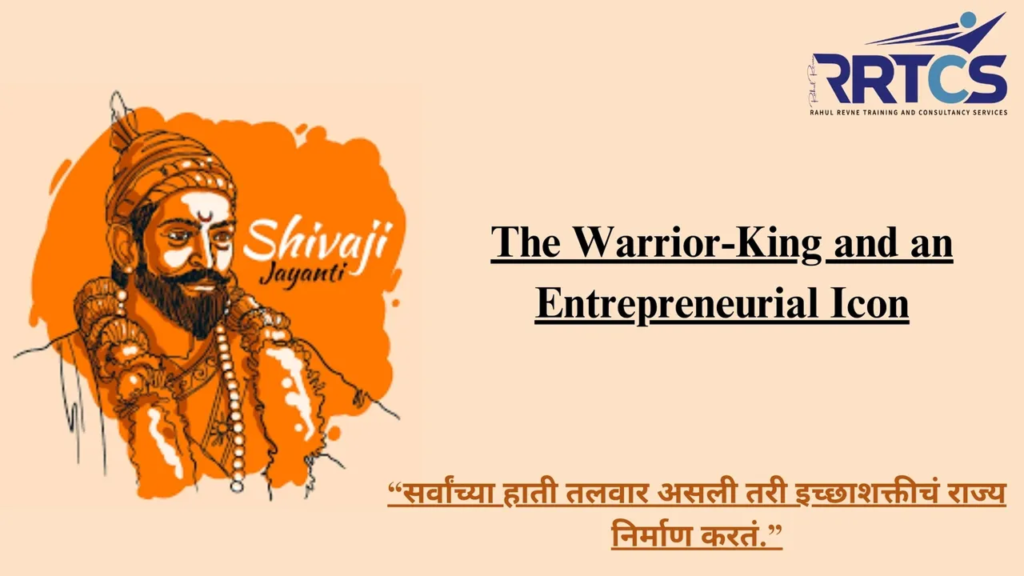
Chhatrapati Shivaji Maharaj: The Warrior-King and an Entrepreneur

Shiv Jayanti, the birth anniversary of Chhatrapati Shivaji Maharaj, is an occasion of great pride and reverence in India. Shivaji Maharaj was not just a valiant warrior and a visionary king but also an exceptional strategist and administrator. His leadership principles, strategic acumen, and people-centric governance hold invaluable lessons for modern entrepreneurs. This article explores his life, his title as ‘Chhatrapati,’ and the entrepreneurial insights we can derive from his remarkable journey. Who Was Shivaji Maharaj? Born on February 19, 1630, in the Shivneri Fort, Shivaji Maharaj was the founder of the Maratha Empire. He was a fearless warrior, a tactical genius, and a just ruler who championed the cause of Swarajya (self-rule). With an unwavering commitment to his people, he established a robust administration, introduced innovative military tactics, and created a powerful navy to safeguard India’s coastline. His governance model and inclusive policies made him one of the greatest kings in Indian history. Why Is He Called Chhatrapati? The title ‘Chhatrapati’ was bestowed upon Shivaji Maharaj after his coronation in 1674, signifying his position as the supreme sovereign of the Maratha kingdom. The word ‘Chhatrapati’ translates to ‘Paramount Sovereign’ or ‘Protector of the People,’ highlighting his role as a leader dedicated to the welfare and protection of his subjects. Unlike feudal titles conferred by foreign rulers, ‘Chhatrapati’ was a self-assumed title, emphasizing his vision of an independent and self-reliant empire. Entrepreneurial Lessons from Shivaji Maharaj’s Life 1. Visionary Leadership: The Power of a Clear Goal Shivaji Maharaj’s vision of Swarajya was not just a dream but a well-planned mission. Entrepreneurs must develop a strong vision for their business and work relentlessly to achieve it. A well-defined mission and a roadmap to execution are crucial for long-term success. 2. Strategic Thinking and Innovation Shivaji Maharaj’s military strategies, such as guerrilla warfare and fort-based defense systems, were groundbreaking. He understood the importance of adaptability and innovation. Similarly, businesses must embrace innovation and adapt to changing market dynamics to maintain a competitive edge. 3. People-Centric Approach Shivaji Maharaj believed in empowering his people, giving them autonomy, and ensuring their welfare. His administration was fair and efficient, emphasizing meritocracy. Entrepreneurs can learn to build strong teams, empower employees, and create an inclusive work culture. 4. Resource Management and Financial Prudence Despite limited resources, Shivaji Maharaj efficiently managed his finances, built a strong economy, and ensured self-sufficiency. Entrepreneurs must prioritize financial discipline, optimize resources, and invest in long-term sustainability. 5. Strong Branding and Reputation Management Shivaji Maharaj was known for his ethics, integrity, and commitment to justice. He carefully built his reputation as a protector of the people. In business, maintaining a strong brand image and adhering to ethical values can build trust and credibility among customers. 6. Resilience and Risk-Taking Ability Throughout his life, Shivaji Maharaj faced numerous challenges, including conflicts with the Mughals and the Adilshahi Sultanate. However, his resilience and calculated risk-taking abilities helped him turn adversities into opportunities. Entrepreneurs should embrace challenges and take calculated risks to drive growth and success. Practical Takeaways for Entrepreneurs Define a clear vision and align your team with a common goal. Foster innovation and adaptability to stay ahead in a competitive market. Prioritize ethical leadership and strong governance. Invest in building a loyal and motivated team. Maintain financial discipline and manage resources efficiently. Be resilient and ready to face challenges with a strategic mindset. Shivaji Maharaj’s life is an embodiment of courage, wisdom, and strategic brilliance. His principles of leadership, innovation, and resilience are timeless lessons for entrepreneurs aiming to build sustainable and successful businesses. As we celebrate Shiv Jayanti, let us imbibe his values and strive to create impactful businesses that contribute to society’s progress. About the Author Rahul Revne is a business consultant and management strategist, specializing in helping organizations transition from individual-driven to system-driven enterprises. With expertise in HR, business consulting, and productivity enhancement, he provides actionable insights for entrepreneurs to scale their ventures effectively. Visit www.rahulrevne.com to learn more about his consulting services. References ‘Shivaji and His Times’ by Jadunath Sarkar ‘Leadership Secrets of Shivaji’ by Ranjit Desai Various historical sources and business case studies

Scroll to Top