Case Study

Business Growth, Case Study

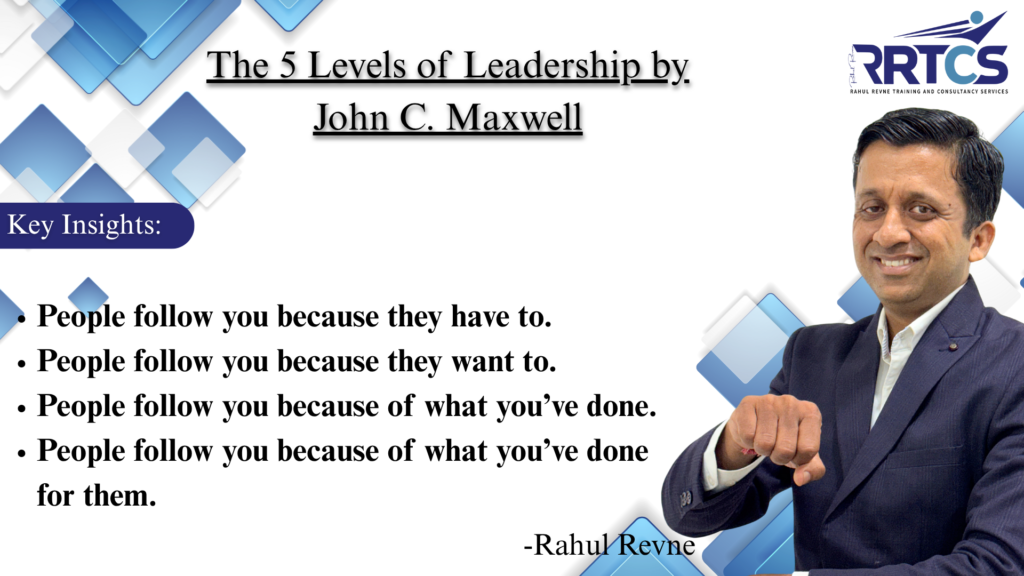
🚀 The Five Levels of Leadership by John Maxwell: A Path to Growth, Influence & Impact

Leadership isn’t just about holding a title — it’s about influence, growth, and legacy.John C. Maxwell, one of the world’s foremost leadership experts, offers a clear and actionable framework through his “Five Levels of Leadership.” Whether you’re just stepping into a leadership role or aiming to leave a legacy, these levels can transform how you lead yourself and others. In this blog, we break down each level with examples and tips to help you apply them in your journey toward becoming a high-impact leader. Level 1: Positional Leadership – People follow you because they have to This is the entry-level of leadership — your influence comes solely from your job title. People comply with your instructions but may not be emotionally or intellectually engaged. Example: A newly promoted team manager who is followed because of hierarchy, not trust or respect.Tip: Earn credibility through consistency, fairness, and respect. Don’t rely on authority — build relationships and show you care. Level 2: Permission Leadership – People follow you because they want to Now you begin leading through relationships. Trust, empathy, and mutual respect become the glue that binds you and your team. Example: A leader who listens actively, understands team dynamics, and fosters genuine rapport with their people.Tip: Practice open communication. Empower your team by involving them in decision-making and showing appreciation regularly. Level 3: Production Leadership – People follow you because of what you’ve done for the organization At this stage, results speak louder than words. You lead by example, driving performance, efficiency, and outcomes. Example: A sales leader who consistently exceeds goals and motivates others to raise their own bar.Tip: Create a high-performance culture. Celebrate wins and model the discipline, focus, and resilience you expect. Level 4: People Development Leadership – People follow you because of what you’ve done for them This level is about multiplying leadership. You grow others, mentor emerging talent, and create leaders within your team. Example: A coach or mentor who’s invested in the long-term growth of their people, helping them climb the ladder.Tip: Offer stretch roles, mentoring, and feedback. Develop career paths for your team and support them as they take the lead. Level 5: Pinnacle Leadership – People follow you because of who you are and what you represent This is the level of legacy. Your leadership impact extends beyond your role or organization. You inspire movements, ideas, and transformation. Example: Think of Nelson Mandela or Steve Jobs — leaders who transcended positions and became symbols of vision, courage, and impact.Tip: Lead with purpose. Influence industries, mentor future leaders, and work toward a mission greater than yourself. Leadership isn’t a position — it’s a progression.By climbing these five levels intentionally, you can elevate not just your career but also the people and systems around you. Whether you’re at Level 1 or Level 4, the journey is ongoing. Keep growing, mentoring, and inspiring — that’s the Maxwell way.
Case Study

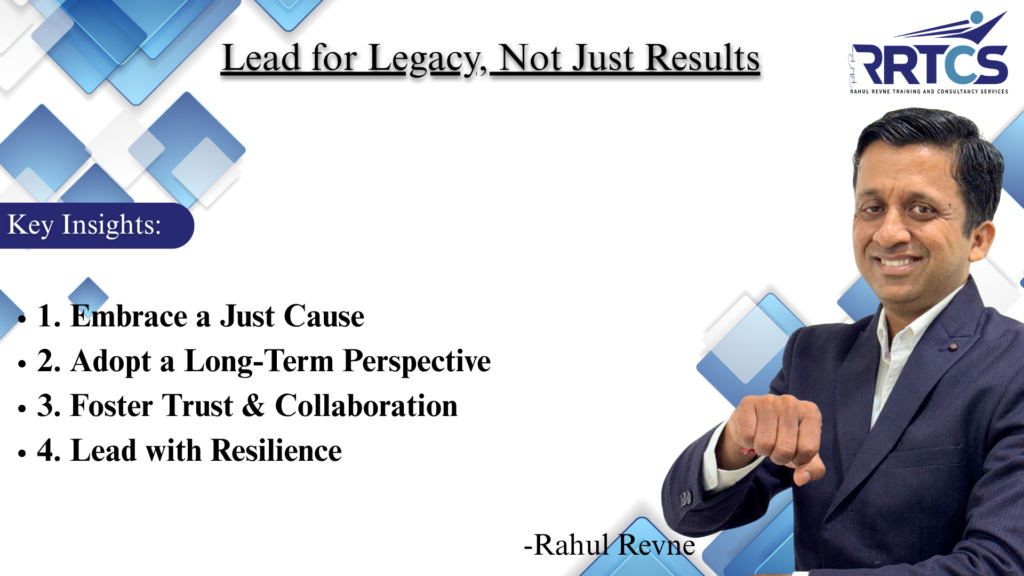
Leadership in the Infinite Game: Nurturing Sustainable Success

How Visionary Leaders Shape the Future Beyond the Finish Line In today’s rapidly changing world, leadership is no longer about winning—because in the long run, there’s no such thing as a final victory. Business isn’t a sprint; it’s an infinite game. Popularized by Simon Sinek, the infinite game mindset challenges traditional models of leadership driven by quarterly results and short-term wins. Instead, it asks leaders to focus on enduring purpose, long-term impact, and collective progress. In this blog, we explore five key traits of infinite game leadership—brought to life through the journeys of visionary leaders like Ratan Tata, Satya Nadella, Indra Nooyi, Sundar Pichai, and Kiran Mazumdar-Shaw. 🔹 1. Embrace a Just Cause At the heart of infinite leadership lies a Just Cause—a bold, long-term mission that inspires action and gives meaning beyond profits. Ratan Tata, former chairman of Tata Group, exemplified this through the company’s purpose: “To improve the quality of life for the communities we serve.” From healthcare and education to clean energy, Tata’s initiatives were rooted in uplifting society—earning unmatched trust and loyalty from stakeholders. 🔹 2. Adopt a Long-Term Perspective Infinite-minded leaders resist the temptation of short-term wins and prioritize sustainable growth. Satya Nadella, CEO of Microsoft, shifted the company’s culture from “know-it-all” to “learn-it-all.” By focusing on empathy, innovation, and customer-centric success, he transformed Microsoft into a powerhouse of cloud, AI, and digital transformation—built for the long haul. 🔹 3. Foster a Culture of Trust & Collaboration Trust fuels innovation. Infinite leaders cultivate environments where people feel safe to share, collaborate, and grow. Indra Nooyi, former CEO of PepsiCo, championed a culture grounded in diversity, inclusion, and empathy. She opened the door for diverse voices, empowered employees to lead, and built a culture of belonging—laying the groundwork for long-term innovation and engagement. 🔹 4. Lead with Resilience and Adaptability Change is constant. Infinite leaders evolve with it. Sundar Pichai, CEO of Alphabet (Google’s parent company), has steered the tech giant through waves of disruption. His leadership is marked by agility, continuous learning, and a future-ready mindset—ensuring Google remains at the forefront of global innovation. 🔹 5. Develop & Empower Future Leaders Sustainability in leadership is about building others up. Kiran Mazumdar-Shaw, founder of Biocon, has made leadership development a strategic priority. Through mentorship, talent investment, and a culture of learning, she’s ensured Biocon’s continued growth as a globally recognized biopharmaceutical company. Infinite leadership is not about beating the competition—it’s about playing with purpose, resilience, and vision. Leaders like Ratan Tata, Satya Nadella, Indra Nooyi, Sundar Pichai, and Kiran Mazumdar-Shaw remind us that true success lies in serving a cause, nurturing people, and building legacies that outlast any market cycle. By embracing the infinite game, today’s leaders can create organizations that endure, evolve, and make the world better—one decision at a time.

Case Study

The Golden Circle Theory: Discovering Your Brand’s Purpose, Process & Product

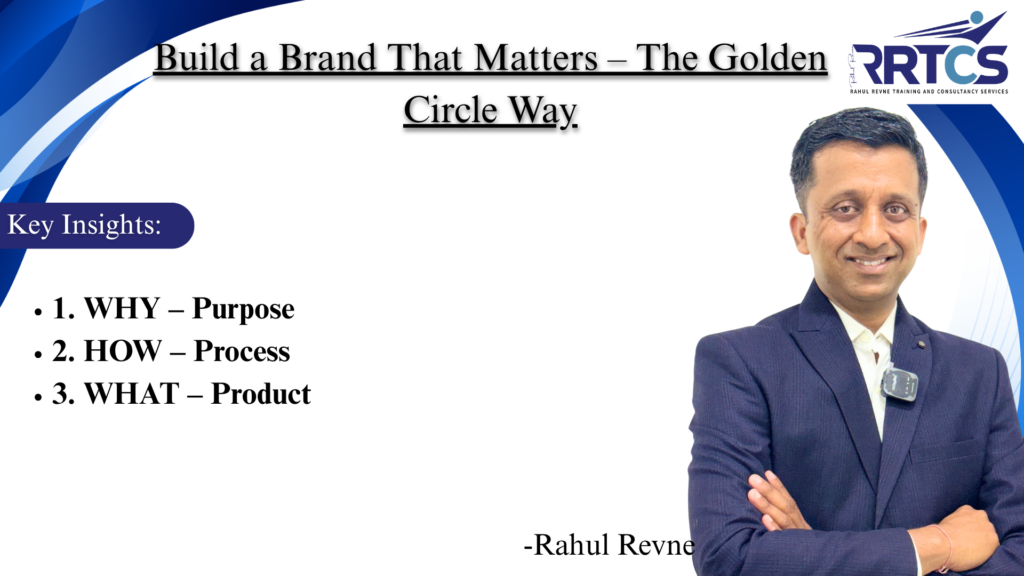
Unveiling Indian Business Success Stories In today’s hyper-competitive world, brands that lead with purpose stand out—not just because of what they sell, but because of what they believe. Simon Sinek’s Golden Circle Theory offers a powerful framework for businesses to define their identity and communicate it effectively. It starts by asking three fundamental questions: In this blog, we dive into how iconic Indian brands have successfully applied this model—demonstrating the strength of aligning purpose, process, and product. Start With Why: Purpose That Inspires At the core of every impactful brand lies a compelling “Why.” It’s the mission that drives decisions, culture, and customer loyalty. Tata Group exemplifies this beautifully. Their purpose—“Improving the quality of life for the communities we serve”—goes beyond business. From education and healthcare to sustainability and innovation, Tata’s initiatives (such as Tata Trusts) reflect a deep commitment to social impact. This sense of purpose has not only earned them trust but also positioned them as one of India’s most respected conglomerates. Define the How: Processes That Differentiate “How” a brand operates speaks to its integrity and innovation. It’s about the values and systems that make your business unique. Take Amul, India’s beloved dairy cooperative. Their decentralized model, rooted in empowering farmers, is a masterclass in inclusive growth. By enabling milk producers to participate directly in the value chain, Amul ensures fair pricing, consistent quality, and sustainability. Their philosophy of “From farmer to consumer” has turned them into a household name—and a globally admired cooperative. Deliver the What: Products That Matter Finally, the “What” is about delivering products or services that solve real problems—and do it well. Mahindra & Mahindra is a shining example. Known for their rugged, reliable vehicles like the Scorpio and Thar, they’ve built a product portfolio that meets the needs of India’s varied landscapes and lifestyles. Through continuous innovation and a customer-centric mindset, Mahindra delivers tangible value, making them a trusted name in mobility and engineering. The Golden Circle isn’t just a theory—it’s a mindset that empowers brands to lead with authenticity. By defining Why they exist, refining How they work, and delivering What their customers truly need, businesses can stand apart in a crowded marketplace. Indian companies like Tata, Amul, and Mahindra show us that success comes not just from selling, but from serving—with purpose, innovation, and impact. For brands aiming to grow with meaning, the Golden Circle offers a timeless blueprint.

Case Study

The Customer-Centric Mindset: A Key to Business Success – Insights from Ram Charan

In today’s fast-paced and customer-driven business environment, understanding and prioritizing the needs of your customers is no longer a luxury but a necessity. Ram Charan, the esteemed author of “Execution”, emphasizes the importance of adopting a customer-centric mindset. This blog explores the significance of placing customers at the forefront of your business strategy and provides actionable exercises to help entrepreneurs cultivate a customer-centric approach that drives success. The Customer-Centric Mindset: A Path to Success To truly embrace a customer-centric mindset, entrepreneurs must shift their perspective and make understanding their customers a top priority. Here are practical exercises to implement this approach in your business:  

Case Study

Unlocking Success with Simon Sinek’s Golden Circle: A Path for Entrepreneurs

In the competitive world of entrepreneurship, standing out and achieving lasting success can feel like a monumental challenge. However, Simon Sinek, the renowned author and motivational speaker, has introduced a powerful concept—the Golden Circle—to help entrepreneurs build purpose-driven businesses that inspire and succeed. By embracing this framework, entrepreneurs can uncover their “why,” align their actions with their purpose, and create meaningful impacts in their ventures. Let’s explore the Golden Circle and how it can be a game-changer for entrepreneurs. What Is the Golden Circle? The Golden Circle revolves around three fundamental questions: Why, How, and What. These questions are represented as concentric circles, with: Most businesses focus on the “What”—the tangible outcomes. Sinek argues that exceptional success lies in starting with the “Why.” Breaking Down the Golden Circle for Entrepreneurs 1. Start with Why The “Why” represents your purpose, cause, or belief. It’s the reason your business exists beyond profits. 2. Define How The “How” translates purpose into action through strategies and processes that differentiate your business. 3. Execute the What The “What” is the end result—your products or services. When guided by the “Why” and “How,” your “What” resonates more deeply with customers. Practical Steps to Apply the Golden Circle The Power of Purpose-Driven Business By embracing the Golden Circle, entrepreneurs can create businesses that are more than transactional—they become impactful, inspiring, and enduring. Customers are drawn to brands with a clear purpose, fostering loyalty and trust. Simon Sinek’s Golden Circle offers a transformative roadmap for entrepreneurs to unlock their full potential. By starting with the “Why” and letting it guide the “How” and “What,” you can create a purpose-driven business that inspires action, builds trust, and makes a lasting impact. Take the leap—define your “Why” today and embark on a path of entrepreneurial success that resonates with your audience and fulfills your vision.  

Scroll to Top